
From Cast-Offs to Craft: Premium Finishes with Purpose

Today we’re focusing on artisan techniques for elevating salvaged materials into premium finishes, turning forgotten wood, metal, stone, and glass into refined, durable showpieces. Expect hands-on insights, honest tradeoffs, and real workshop anecdotes. Ask questions, share your experiments, and subscribe if you want deep dives, material tests, and shop-proven finish recipes delivered with clarity, warmth, and respect for both history and modern performance.

Finding and Judging Salvaged Materials

Refinement begins with discerning selection: understand how provenance, structure, and finish potential guide each choice. Evaluate moisture, contaminants, hidden fasteners, and previous coatings before committing. A century-old barn beam might carry a story worth the work, while a seemingly similar board could be riddled with fatigue or toxic residues. Share your best sources and scouting tips; careful curation is the quiet engine behind premium outcomes and delighted clients.

Provenance and Story Value

Origin adds emotional resonance and perceived value. A slab from a decommissioned theater balcony immediately invites conversation, especially when backed by photographs, dates, and steward testimonials. Documenting that journey transforms material into narrative, influencing design decisions, pricing, and care. Invite clients into the story early; their enthusiasm often unlocks bolder finishing choices and respectful preservation of signature marks, ensuring heritage remains visible while refinement elevates every touchpoint.

Structural Soundness and Decontamination

Scrutinize checks, wormholes, delamination, and metal inclusions with magnets, borescopes, and bright raking light. Test for lead, asbestos, and mold before sanding or cutting. Degrease and neutralize residues methodically to prevent finish failure later. Stabilize splits with hide glue or epoxy, depending on reversibility goals. A deliberate assessment prevents beautiful disasters, protects lungs and tools, and preserves the path toward a reliable premium finish that actually endures demanding, real-world use.

Deconstruction, Cleaning, and Stabilization

Smart dismantling preserves value. Extract fasteners without tearing fibers, catalog parts, and photograph assemblies. Clean with progressive approaches, from dry brushing to solvent washes, always guarding desirable patina. Stabilize early so later finishing steps build on certainty, not hope. Gentle methods keep history intact while setting the stage for luxury-grade texture and sheen. Share your favorite deconstruction tools and cleaners; experienced hands prevent one careless scrape from erasing decades of character.

Hand-Tool Refinement for Tactile Warmth

A finely set smoothing plane and a sharp card scraper compress fibers, rendering a surface that drinks finish differently than sanded wood. The resulting clarity feels alive, especially on quartersawn oak or walnut with figure. Blend plane tracks judiciously; leave intentional traces near edges to signal handwork. Follow with soft burnishing using shavings. The touch is unmistakable, lending quiet luxury that pairs beautifully with restrained oil-wax builds and satin topcoats.

Grain Accenting and Selective Texture

Wire-brushing, pumice rubbing, or media blasting at low pressure can exaggerate latewood, revealing shadow lines that read as sophisticated rather than rustic when controlled. Keep edges crisp to avoid faux-distressed clichés. Seal raised fibers strategically before tinting to maintain clarity. A small sample board demonstrating textured versus flat panels helps clients choose with confidence, aligning tactile intent with lighting conditions, upholstery, and hardware so the final ensemble feels curated, not accidental.

Color Elevation with Dyes and Reactive Washes

Water or alcohol dyes can add depth without obscuring figure, while tannin-reactive iron acetate or lye washes nudge tone toward heritage complexity. Pre-wet, sand back, and layer lightly to avoid muddiness. Lock in color with de-waxed shellac before oil to prevent bleed. Show clients two-sided samples: one with straightforward stain, another with reactive layers. The difference in optical depth, especially under angled light, often clinches approval for elevated, premium direction.

Metal, Stone, and Glass: Sophisticated Transformations

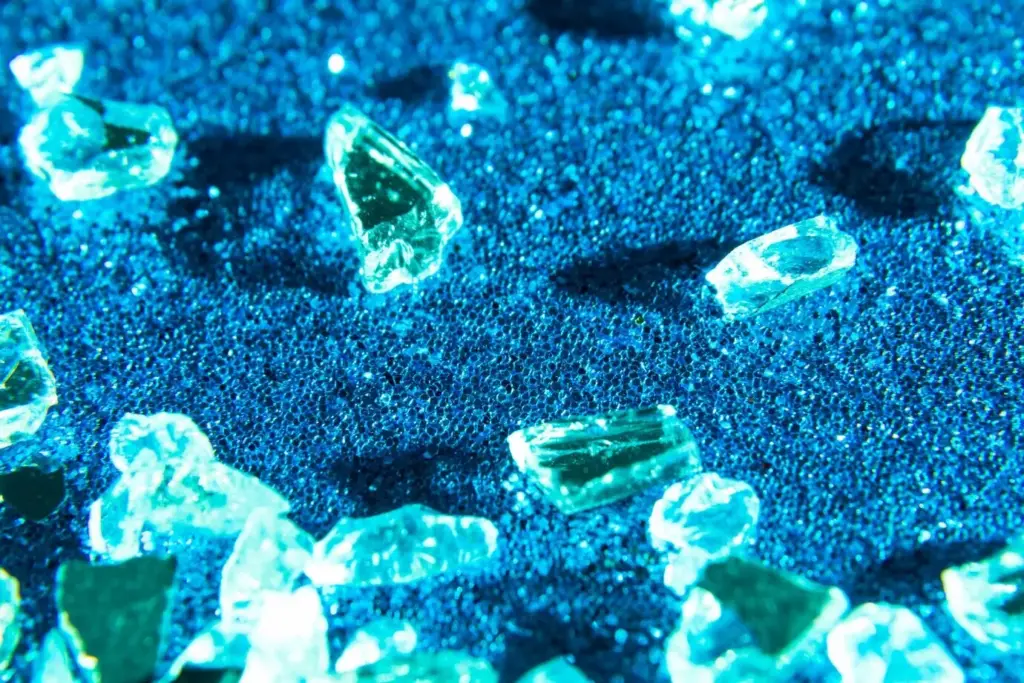
Industrial remnants deserve couture-caliber care. Steel can shift from scrapyard to gallery with controlled patinas, neutralized acids, and sealed luster. Stone gains honed elegance through staged abrasives and chamfer finesse. Glass revives with scratch removal, edge polishing, and subtle diffusion films. These moves respect original strength while presenting refined surfaces that invite touch. Post your favorite sealers and anti-corrosion strategies; long-term stability is as essential as visual drama in premium work.

Layered Finishes That Feel Premium

Premium is a sensation: depth, clarity, and quiet confidence. Build from pore management to color, sealer, and protective topcoats, always tuning sheen to room lighting and touch expectations. Hand-rubbed layers often outperform quick spray jobs in intimacy and repairability. Document every coat with timing, temperature, and humidity notes. Comment with your go-to schedules; sharing intervals, abrasives, and cure windows helps everyone avoid witness lines, telegraphing grain, and premature gloss breakdown.

Design Integration, Longevity, and Ethics

A refined finish means little if the object conflicts with its setting or fails early. Translate material history into design choices that respect scale, function, and maintenance reality. Provide care guides, spare finish kits, and transparent sourcing notes. Ethical salvage honors communities and ecosystems while elevating craft. Invite readers to share policies and client education tools; trust grows when beauty, performance, and accountability arrive together, ready for decades of graceful, repairable service.

Design Language That Honors Imperfection

Let small scars sit where hands do not dwell, framing them with clean lines and deliberate proportions. Pair reclaimed wood with crisp joinery so contrast reads intentional, not accidental. Repeat a tonal cue from metal hardware in a patina note on stone. These echoes create harmony that turns irregularities into focal points. Present mood boards early so decisions about sheen, color temperature, and texture feel cohesive rather than improvised at the bench.

Durability Testing and Maintenance Protocols

Before installation, simulate abuse: heat, condensation, abrasion, and cleaning agents. Track gloss changes and water-spot resistance. Provide owners with microfiber cloths, compatible cleaners, and touch-up instructions. Label finish type and batch for future reference. Offer seasonal checkups for pieces in active environments. When expectations are documented and supported, finishes age with dignity rather than panic, proving that salvaged origins can outperform new materials when preparation and stewardship align with real-life demands.

Sourcing Transparency and Client Education

Show photographs of the original site, list de-nailing hours, and disclose decontamination steps. Clients appreciate the true cost of responsible transformation, fostering patience for lead times and nuanced finishing. Build a small glossary explaining oils, catalyzed topcoats, and patina chemistry. Encourage questions and publish case studies. This clarity converts curiosity into advocacy, helping more materials avoid landfills while funding the skilled labor that turns humble finds into quietly luxurious heirlooms.
Veponilonezafirozava
Privacy Overview

This website uses cookies so that we can provide you with the best user experience possible. Cookie information is stored in your browser and performs functions such as recognising you when you return to our website and helping our team to understand which sections of the website you find most interesting and useful.